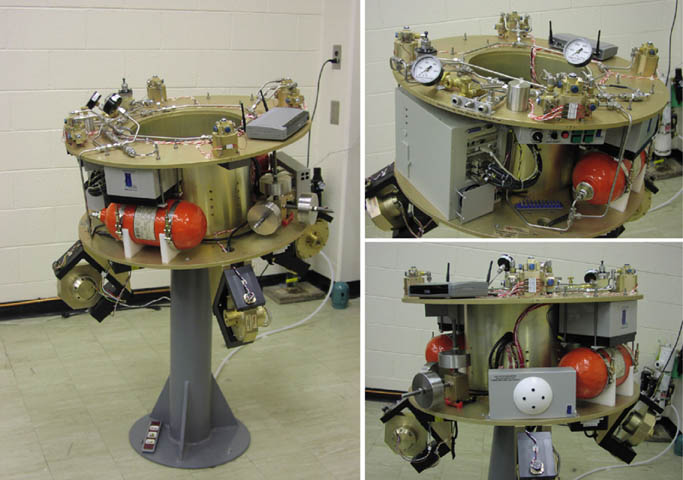
Space robotics represents a critical frontier in autonomous systems, where the convergence of control theory, artificial intelligence, and systems engineering enables unprecedented capabilities for space exploration and utilization. Our research addresses fundamental challenges in spacecraft autonomy, from low-level control to high-level planning and decision-making under uncertainty.
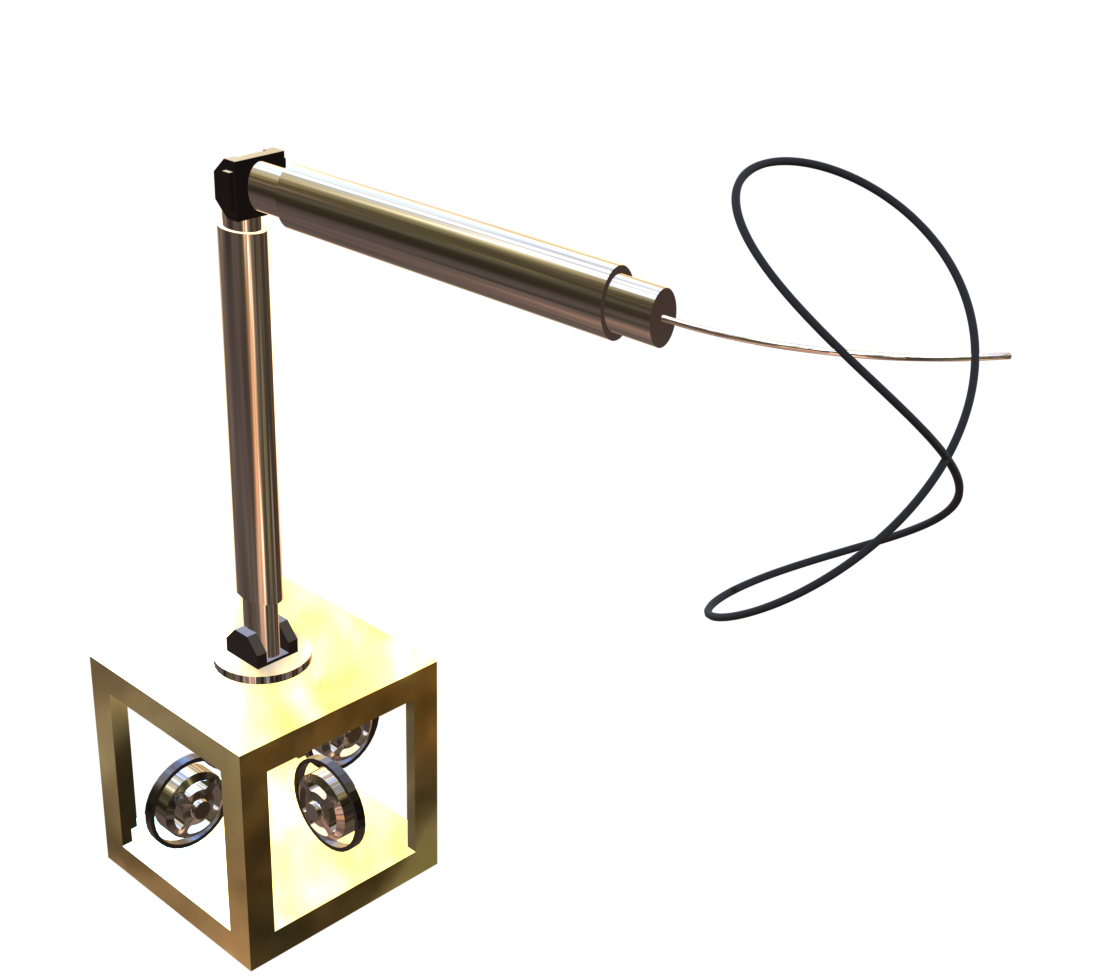
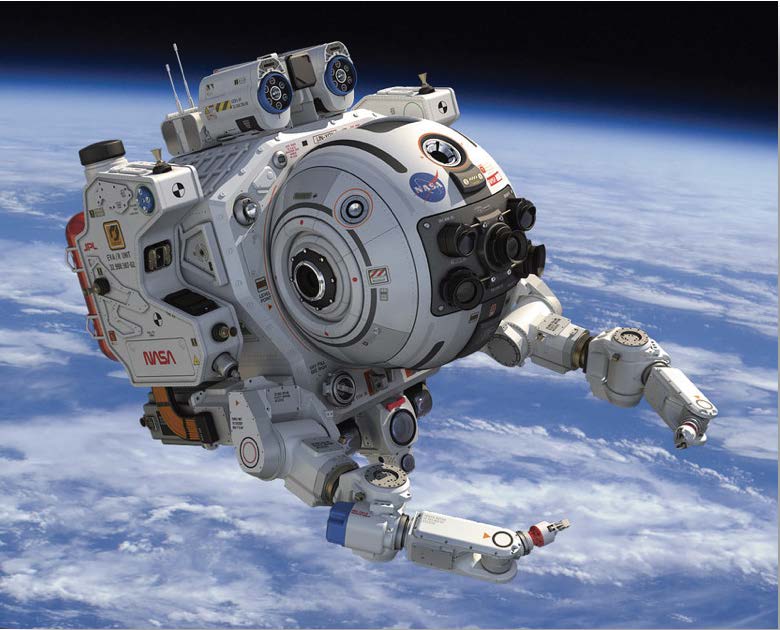
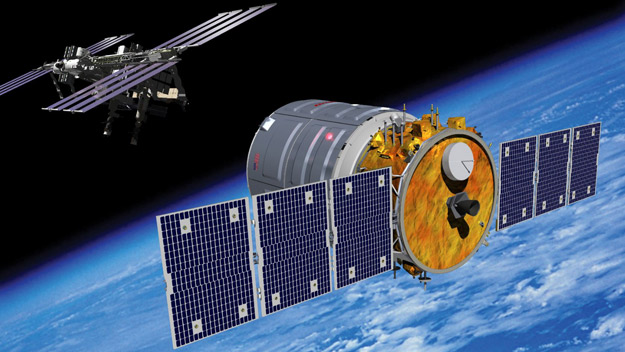
Our work encompasses autonomous spacecraft navigation and control, on-orbit servicing and assembly, and distributed space systems. We develop advanced guidance, navigation, and control algorithms for spacecraft operating in proximity to other space assets, manipulation strategies for free-floating robots, and coordination algorithms for multi-spacecraft missions.
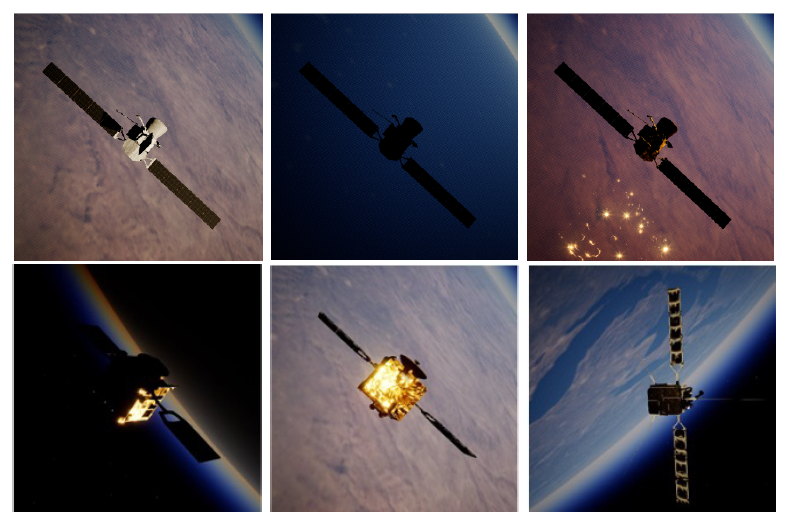
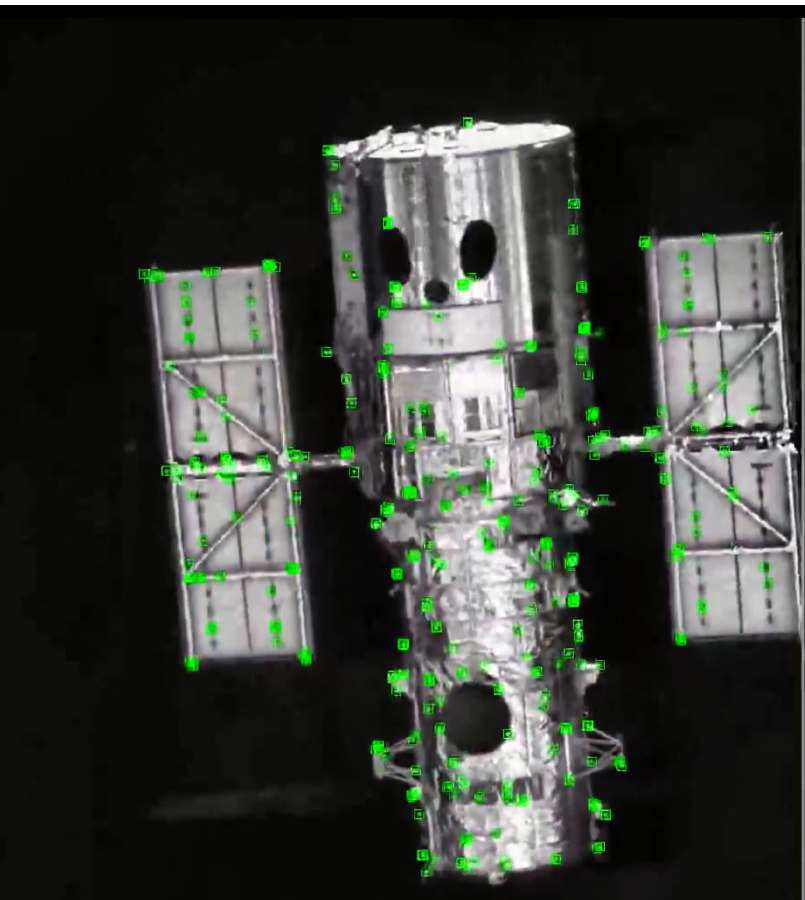
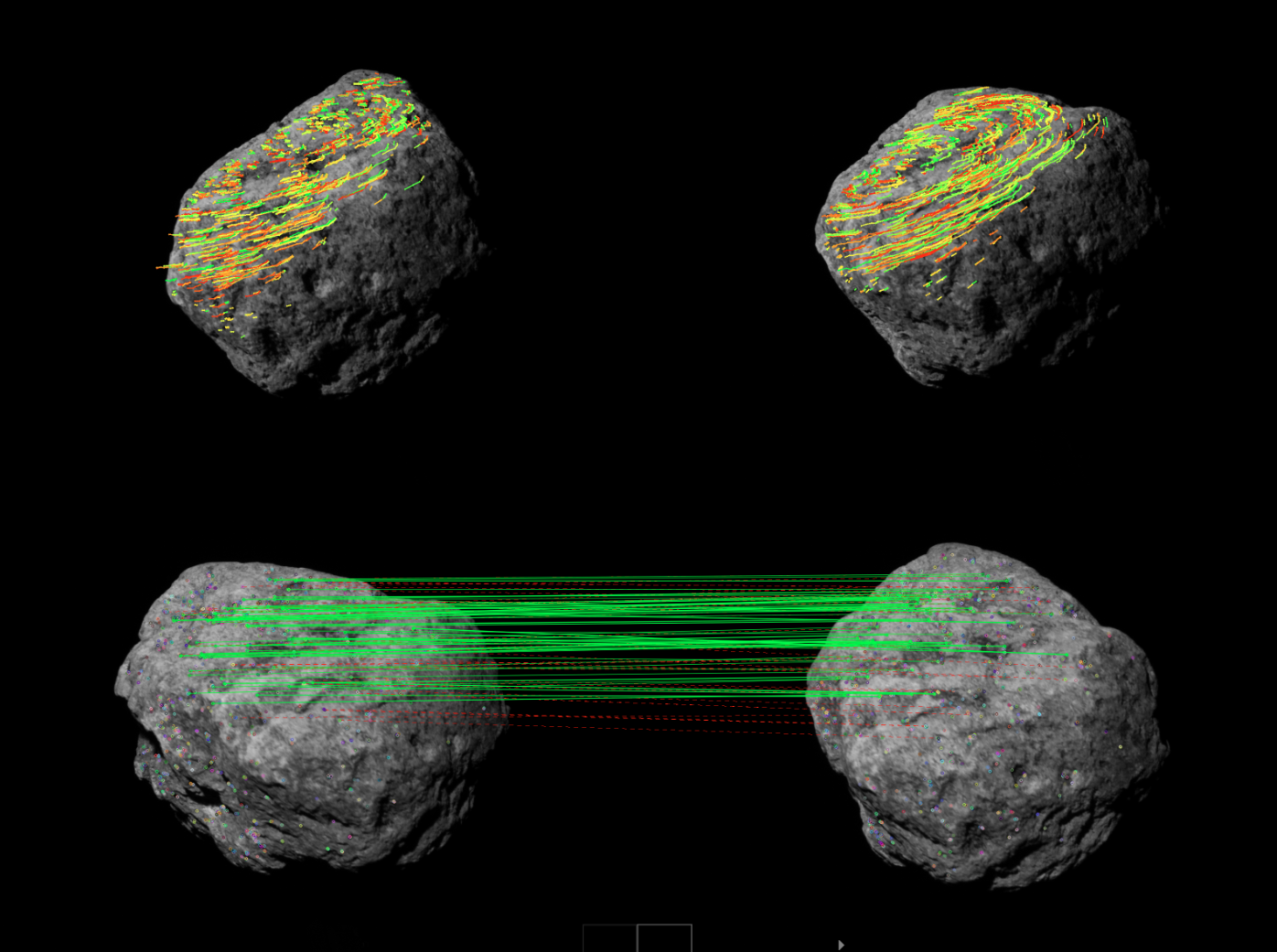
We develop novel visual perception, localization, mapping, and planning algorithms that will enable new capabilities in terms of situational awareness for space robots that can work alone or alongside astronauts in orbit as “co-robots.” Our approach builds upon novel automated feature extraction and matching algorithms adapted to the challenging imaging conditions and motion constraints imposed in space, so as to enable robust and reliable relative pose estimation, 3D shape reconstruction, and characterization of space objects.
The research has direct applications in satellite servicing, debris removal, planetary exploration, and space manufacturing. We maintain active collaborations with space agencies and aerospace companies, with several technologies transitioning from our lab to flight demonstrations.